O3 Chemicals Eliminates the Scourge of Mould in Hotel Air Conditioning
At O3 Chemicals, we take air conditioner hygiene seriously. Because it affects the clients of our customers.
In Hotels, Air-BNB Apartments. Guest Houses, Safari Lodges . . . and in
every other air conditioning system you can think of.
It thrives in air conditioning for the following reasons:
• The darkness. Mould hates the light
• Mould loves the oxygen
• Mould loves the moisture
• And the food is the dirt and grime sucked in while the aircon is working
Almost ever since air-conditioning was invented, people have complained
about getting ill.
Mould is the problem in air conditioners due to high humidity, damp environments,
and condensation, leading to microbial growth in ducts, coils, and vents,
which affects air quality and many people’s health.
Increased dust or humidity from poorly maintained systems can result in
symptoms as such as allergic reactions which can cause chronic respiratory
problems to develop.
Other common ailments include: headaches, fatigue, weakness, fever, chills,
flu-like symptoms, shortness of breath, coughing, chronic sinusitis, sore
throat, burning eyes and difficulty concentrating.

So seriously are world health authorities taking the threat of mould,
that in June 2025 they forced one of the world’s largest manufacturers
of aircons to recall 1.7million aircons in the US and 45900 units in Canada
due to a design defect causing water to pool and mould to grow, posing
respiratory risks.
The recall covers 8,000, 10,000, and 12,000 BTU units sold from March
2020 to May 2025.
Mould relies on water to survive, yet there are still many contractors
who insist on using water only to clean aircons.
In any case, water doesn’t clean. If water cleaned, we wouldn’t need soap
in our shower or bath. Would we?
So, why should anyone think water cleans aircons. It doesn’t!
Some experts estimate that
only about half of all hotels and hospitality establishments
provide adequately clean air, and many chains are hesitant to address it
due to costs.
Guests often report seeing black mould spores in vents. If suspected,
it is advised to check the AC unit directly, smell for mildew, and report
issues to management immediately, as mould can trigger allergies or respiratory
issues.
Mouldy units release spores and toxins, resulting in musty smells,
allergic reactions, and severe air quality concerns for guests.
Many hotel units suffer from dirty filters and accumulated mould behind
covers, particularly in older buildings with retrofitted systems.
Complaints about musty smells, dirty filters, and health concerns like
stuffy noses are common on booking platforms, prompting some hotels to
improve cleaning, while others remain reactive rather than proactive.
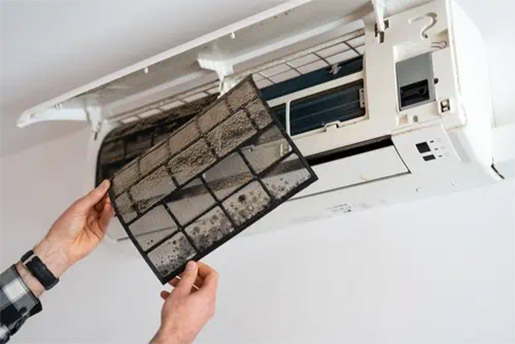
Mould will ALWAYS be an inherent danger for any air conditioner.
It is essential therefore we use the latest chemical technology to prevent
it from becoming a threat to all of us.
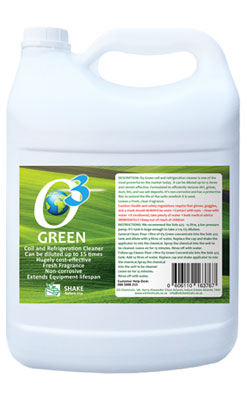
A Powerful, new generation, high-tech, non-corrosive, chemical cleaner,
specifically designed to remove health-threatening mould, bacteria and
fungi growing in general dirt and moisture in AHUs, chillers and condensors.
Strength and Economic Advantage
O3 GREEN is Supplied as a concentrate to be used –
• diluted 1:1 for a first annual application
• diluted 1:15 for the next 3 applications of the annual cleaning cycle
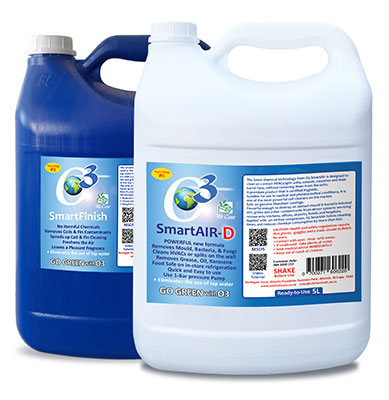
Another powerful, new generation, high-tech, non-corrosive, chemical cleaner
with a specifically designed built-in degreaser. Using the latest chemical
technology to remove health-threatening mould, bacteria and fungi that
grow in grease, cooking oil and fat in AHUs servicing restaurants, bakeries,
fast-food outlets and kitchens.
Strength and Economic Advantage
Alkaline
‘D’ is supplied as a concentrate to be used –
• diluted 1:1 for a first annual application
• diluted 1:15 for the next 3 applications of the annual cleaning cycle

New generation, high-tech, non-corrosive chemicals specifically designed
to be used in tandem to remove health-threatening mould, bacteria and fungi
in HVACs/split units, consols, cassettes, hideaways and condensors.
NO tap water is required for rinsing
These products’ labels incorporate QR codes, directing the user to a video
tutorial showing how to use the product efficiently and cost-effectively,
AND a copy of the SDS documents for the products.

Reference Sources:
At O3 Chemicals, we take air conditioner hygiene seriously. Because it
affects the clients of our customers. Read this article from United States
Consumer Product Safety Commission to find out more:
DOWNLOAD >> Midea Recalls About 1.7 Million U and U+ Window Air Conditioners
due to Risk of Mold Exposure
